Kremlin’s Historical Logic: Putin Cites Yalta Conference to Justify Ukraine War at Shenzhen Summit
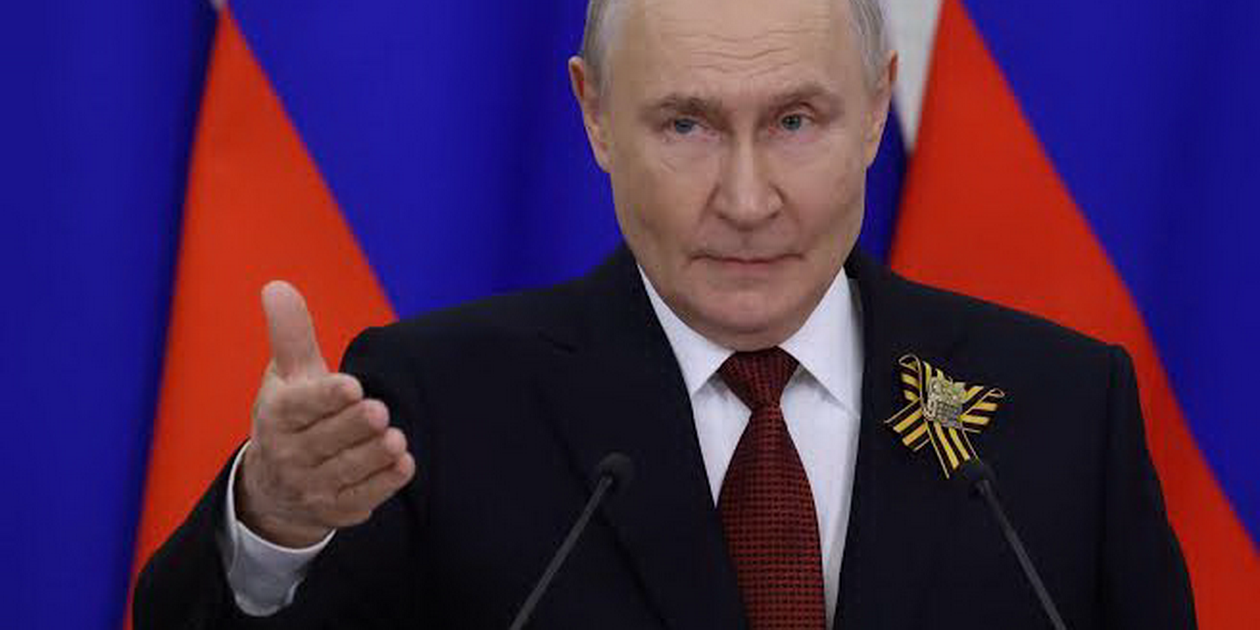
At a trilateral summit in China, Vladimir Putin claimed the 1945 Yalta Conference didn't divide the world but merely 'fixed realities,' drawing a parallel to the current conflict in Ukraine.
 🏛️Politics
Photo: Ukrainska Pravda
Key points
- Putin argued that the Yalta Conference only recorded post-war realities without dividing the world.
- The Kremlin claims the current war follows the same logic of 'fixing realities' on the ground.
- Russia invited EU officials to Moscow while repeating complaints about NATO expansion.
During the historic trilateral summit in Shenzhen involving the leaders of China, the United States, and Russia, Vladimir Putin presented his interpretation of global history. The Kremlin leader argued that the 1945 Yalta Conference was not about dividing the world into spheres of influence but was a necessary step to formalize the post-WWII landscape. He used this historical reference to frame the ongoing war in Ukraine as a similar attempt to 'fix emerging realities.'
The Yalta Legacy and the UN
Putin emphasized that the agreements reached eight decades ago paved the way for the United Nations and prevented global military catastrophes for 80 years. He described the lack of a third world war as a 'miracle,' despite the persistence of regional conflicts. By invoking the Yalta spirit, Putin appears to be advocating for a new global arrangement where major powers decide the fate of nations based on military outcomes.
The Russian president also revisited the theme of collaborationism, stating that the eradication of Nazi-aligned regimes was a primary goal in 1945. This rhetoric continues to serve as a cornerstone of Russian propaganda, aimed at delegitimizing Ukrainian sovereignty under the guise of 'denazification.'
NATO Expansion and EU Dialogue
In his address, Putin mentioned that Russia has invited European Union representatives to Moscow to discuss their stance on the war in Ukraine. He expressed a desire to understand the EU's position to facilitate potential dialogue. However, he balanced this with familiar grievances, claiming Russia was 'deceived' by past promises regarding NATO's eastward expansion.
The meeting between Donald Trump, Xi Jinping, and Vladimir Putin marks a significant moment in international relations. Putin’s focus on 'fixing realities' suggests that Moscow is seeking a diplomatic solution that would force the international community to accept its territorial gains, much like the borders were redrawn following the Second World War.
Source Ukrainska Pravda — pravda.com.ua/news/2026/11/19/8063646/ ↗
Read next
 🇺🇦Ukraine
Foreign Policy: Europe Steps Up Support for Ukraine Amid US Policy Shift
Foreign Policy reports that following a shift in the Trump administration's stance, European nations are left to independently secure financial and defensive backing for …
 🇺🇦Ukraine
Estonia warns Ukraine against attacking tankers in the Baltic Sea due to environmental risks
Estonian Prime Minister Kristen Michal stated that the country will not allow its territory to be used for attacks on vessels, citing the risk of environmental pollution.
 👥Society
Pet safety in winter: why year-round parasite protection is essential
Veterinarians warn that the risk of fleas and ticks persists throughout the year, advising pet owners not to stop preventive measures in winter.
 🚨Events
Polish intelligence warns: Russian sabotage in Europe will continue even after the war ends
Polish intelligence coordinator Tomasz Siemoniak stated that Russia's hybrid aggression against European nations will not cease even after a peace agreement is reached in…
 🎭Culture & Sport
Documentary about Ukrainian National Guard wins Emmy Award
The film '24 Hours in the Kill Zone' received a prestigious international award in the 'News' category. The documentary depicts the heroism of the 'Rubizh' brigade soldie…
 🏙️City
Incident in South Korean Air Defense Zone: Russian Aircraft Approach Borders
Russian aircraft entered South Korea's air defense identification zone, triggering a brief alert due to the mistaken identification of the planes as North Korean.