EU ramps up sanctions against Russia while Washington eases restrictions, says The Economist
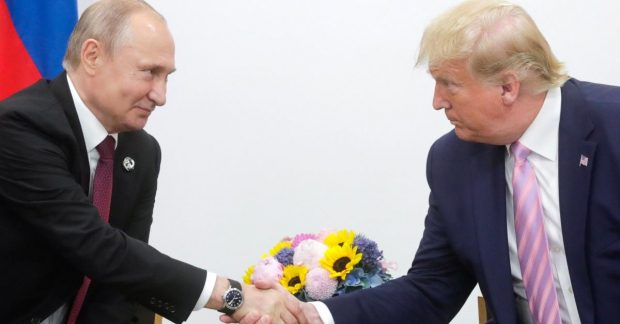
The Economist highlights growing divergences in the sanctions policy toward Russia between the European Union and the United States.
 🇺🇦Ukraine
Photo: UNIAN
Key points
- The EU has added more names to sanctions lists than the US this year
- The Trump administration has rolled back several restrictions on Russian entities
- The European Union continues targeting Russia's military complex and shadow fleet
- Ukraine may have to rely primarily on European sanctions for the near future
International restrictive measures against the Russian Federation have once again become a focal point of global media due to contrasting approaches among Western allies. While Brussels continues to increase pressure on Moscow, Donald Trump's administration is increasingly showing a tendency to ease restrictions. This is reported in an analytical piece by The Economist.
Statistics and European Flaws
According to calculations by Vincent Godeis from LexisNexis, the European Union has added nearly 2,800 names to its sanctions lists this year, with about 95% of them linked to Russia. For the first time, this figure exceeds that of the United States, which has lifted more restrictions on Russian entities than it has imposed. At the same time, analysts note significant flaws within the European sanctions enforcement system.
In October, EU foreign ministers approved sanctions against approximately 1,600 representatives of the Russian military-industrial complex. Furthermore, on November 16, the EU Council introduced additional restrictions against 12 individuals and 101 legal entities involved in financing the war against Ukraine and supporting Russia's "shadow fleet".
Political Outlook in Washington
Regarding prospects in the US, legal experts point out that courts have almost never challenged presidential authority over sanctions. According to attorney Adam Smith, overriding a potential veto requires majorities in both chambers of Congress, which remains unlikely. However, bipartisan consensus is still possible regarding new laws targeting Russia's energy or financial sectors.
As Edward Fishman from the Council on Foreign Relations notes, dissatisfaction with the White House's approach to Moscow may prompt new legislation to curb unilateral presidential decisions. Yet, executive enforcement remains crucial, and few expect the administration to shift its stance. Ultimately, analysts conclude that Ukraine may have to rely on the imperfect European sanctions system for some time.
Source UNIAN — unian.ua/economics/other/poki-yes-posilyuye-sankciji-proti-rosiji-t… ↗
Read next
 👥Society
Pet safety in winter: why year-round parasite protection is essential
Veterinarians warn that the risk of fleas and ticks persists throughout the year, advising pet owners not to stop preventive measures in winter.
 🚨Events
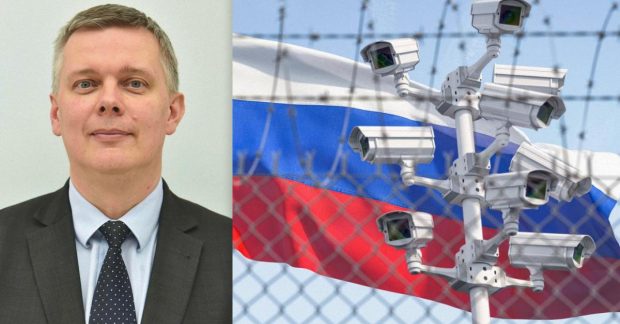
Polish intelligence warns: Russian sabotage in Europe will continue even after the war ends
Polish intelligence coordinator Tomasz Siemoniak stated that Russia's hybrid aggression against European nations will not cease even after a peace agreement is reached in…
 🎭Culture & Sport
Documentary about Ukrainian National Guard wins Emmy Award
The film '24 Hours in the Kill Zone' received a prestigious international award in the 'News' category. The documentary depicts the heroism of the 'Rubizh' brigade soldie…
 🏛️Politics
SBI finds no evidence in case against SAPO head Oleksandr Klymenko
The State Bureau of Investigation reported that there are no procedural documents confirming covert investigative actions against the head of the SAPO and his family.
 🏙️City
Incident in South Korean Air Defense Zone: Russian Aircraft Approach Borders
Russian aircraft entered South Korea's air defense identification zone, triggering a brief alert due to the mistaken identification of the planes as North Korean.
 💡Tech
Google tests voice customization feature for Gemini AI
Google is developing a new feature for Gemini that allows users to create a custom AI voice using simple text descriptions.